Mom in South Carolina shares story of preeclampsia as cases rise
(InvestigateTV) — Emmy Monroe’s pregnancy seemed normal. At every prenatal visit, her blood pressure was within a healthy range. She felt no unusual symptoms until one morning changed everything.
“The only time that something went awry or I kind of felt like something was off, was actually the day I ended up being induced,” Monroe recalled. “And that was when I started having a really sharp headache that morning.”
She checked her blood pressure at home. It was 139 over 93, dangerously high for her, despite her doctors’ reassurances during previous visits.
“It has never been that high ever, so I knew that just for safety that I needed to go ahead and get admitted,” Monroe said.
Her instinct saved her life.
Monroe was rushed to Bon Secours Hospital, which has partnered with the OB Hospitalist Group to provide pregnant women with a dedicated emergency department. She was promptly diagnosed with preeclampsia and received immediate treatment.
A silent killer often overlooked
Preeclampsia, a condition unique to human pregnancy, strikes without warning and affects mothers across all demographic groups.
The condition develops when blood pressure spikes, typically after the 20th week of pregnancy, and can rapidly progress to life-threatening stages.
“In its severe form, it can affect all the major organs in the body, like the liver, kidneys, brain. It can cause brain damage. It can cause stroke, seizure. It can be very serious, so it’s important to recognize the signs and symptoms early,” Dr. Joni Coker, a maternal-fetal medicine specialist, said.
According to the Preeclampsia Foundation, the condition affects approximately 8% of all pregnancies in the United States. What makes preeclampsia particularly dangerous is that many women dismiss early warning signs as routine pregnancy discomforts.
When left untreated, preeclampsia can escalate to severe preeclampsia or eclampsia, potentially causing:
- Organ damage (liver, kidneys, pancreas)
- Stroke or seizure
- Brain damage
- Placental failure
- Fetal death
- Maternal death
FDA approves test
A diagnostic test newly approved by the FDA is poised to revolutionize how doctors identify and manage preeclampsia, a dangerous pregnancy complication that silently affects nearly one in 12 pregnant women in the United States and remains a leading cause of maternal and fetal death.
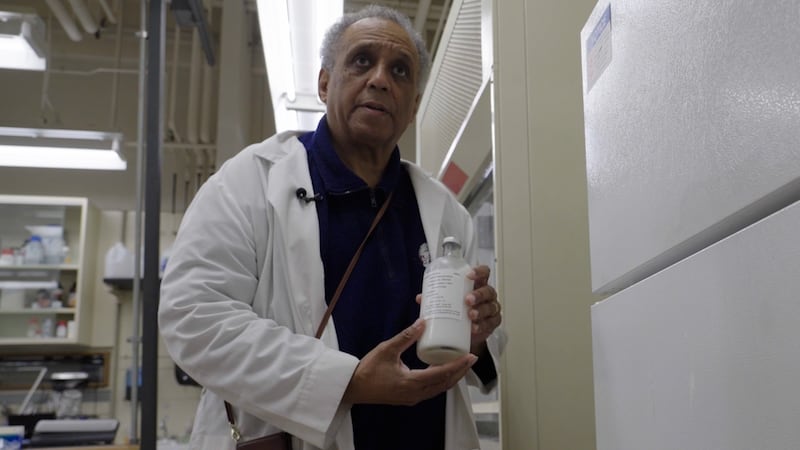
“One of the things I think people really need to know about preeclampsia, we classify it as a heart disease,” Dr. Connie Graves of Tennessee Maternal Fetal Medicine, one of the test’s developers, said. “In 2012, the American Heart Association said that preeclampsia should be considered a failed cardiac stress test.”
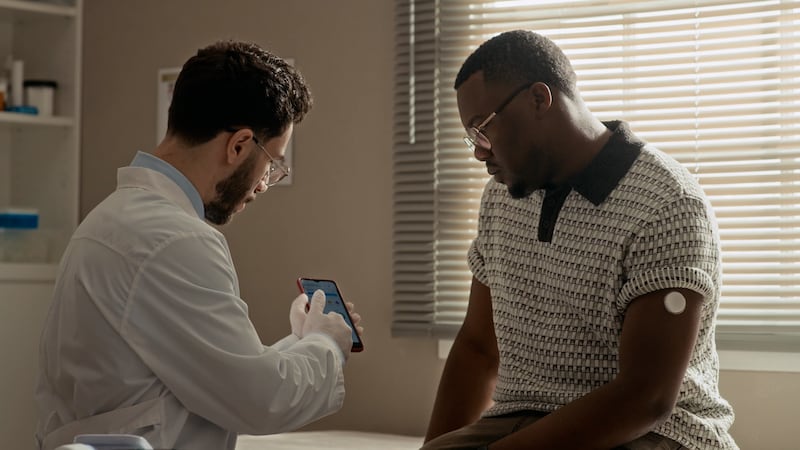
The first-of-its-kind blood test, developed in partnership with leading maternal-fetal medicine specialists, measures two critical biomarkers to predict severe preeclampsia with up to 96% accuracy, offering physicians and expectant mothers an unprecedented opportunity to prevent life-threatening complications before they occur.
The new diagnostic test represents a fundamental shift in how obstetricians approach preeclampsia management. Rather than waiting for symptoms to appear, the test measures two specific biomarkers:
- Cardiac biomarker that predicts heart complications in the pregnant woman
- A fetal biomarker that predicts stillbirth risk in the baby
“Preeclampsia really is a disease of your heart and your vessels,” Dr. Graves said. “And it can affect your liver, your kidneys, it can affect your pancreas, it can affect your brain, so it’s not just about the blood pressure.”
This understanding has transformed preeclampsia from a blood pressure disorder into what researchers now recognize as a systemic vascular disease, one that demands earlier detection and more aggressive intervention.
Learn more about Monroe’s story.
The first to receive the new test
Tyesha Kinnard became the first woman in the United States to receive the new FDA-approved diagnostic test after experiencing classic preeclampsia symptoms: facial and limb swelling, relentless headaches and dangerously elevated blood pressure.
The test confirmed severe preeclampsia with such accuracy that doctors recommended immediate delivery a month and a half before her due date to save both mother and baby.
“We both could’ve died,” Kinnard said when reflecting on what might have happened without the test.
Her son was delivered safely and spent time in neonatal care before joining his mother at home.
Warning signs all pregnant women should know
Despite preeclampsia’s severity, many women, and some healthcare providers, minimize early symptoms as normal pregnancy discomforts.
Common warning signs include:
- Sudden headache that doesn’t respond to pain medication
- High blood pressure (readings of 140/90 or higher)
- Vision changes (blurred vision, sensitivity to light, seeing spots)
- Sudden abdominal pain, particularly in the upper right area
- Swelling in the legs, hands, or face, especially if it appears suddenly
- Decreased urination
- Shortness of breath
- Nausea or vomiting that appears late in pregnancy
The road ahead
As hospitals and birth centers across the country begin adopting the new test, maternal health experts see potential for significant impact on maternal mortality and morbidity rates, areas where the United States lags behind other developed nations.
The American College of Obstetricians and Gynecologists has emphasized that early detection of preeclampsia is critical.
With a diagnostic tool that offers 96% accuracy, physicians can now:
- Identify at-risk pregnancies earlier
- Make informed decisions about timing of delivery
- Increase fetal and maternal surveillance
- Plan appropriate hospital-based deliveries
- Reduce emergency complications
Dr. Graves envisions a future where the test becomes standard screening for pregnant women, particularly those with risk factors such as first pregnancy, advanced maternal age, obesity or chronic hypertension.
“This test is just the beginning,” she said. “As we learn more about how preeclampsia develops at the cellular level, we’ll develop even better prevention and treatment strategies. But right now, this test gives us the chance to catch a disease before it becomes a crisis.”
What pregnant women should do
If you are pregnant or planning to become pregnant:
- Attend all prenatal appointments and don’t skip blood pressure checks
- Know the warning signs of preeclampsia and report them immediately to your doctor
- Ask your healthcare provider about the new diagnostic test, especially if you have risk factors
- Trust your instincts. If something feels wrong, seek immediate medical evaluation
- Don’t dismiss symptoms as normal pregnancy discomforts if they feel unusual or severe
For more information about preeclampsia, visit the Preeclampsia Foundation at preeclampsia.org or speak with your healthcare provider.
Copyright 2026 Gray Media Group, Inc. All Rights Reserved.